Elevating Your Brand: The Complete Guide to Paper Cocktail Napkin Mockups
In the visually driven world of modern branding and event planning, first impressions are everything. Whether you are a graphic designer showcasing a new portfolio piece, a small business owner launching a line of eco-friendly party supplies, or a couple planning a boho wedding, the way you present your design is just as critical as the design itself. This is where the Paper Cocktail Napkin PSD PNG Mockup becomes an indispensable tool. These digital assets bridge the gap between a flat, two-dimensional concept and a tangible, realistic product representation.
Understanding the value of a Napkin Mockup requires looking beyond simple aesthetics. It is about communication, professionalism, and the psychology of consumer behavior. When a client or customer sees their logo or pattern applied to a realistic texture with proper lighting and shadows, the abstract becomes concrete. This article explores the significance of these tools, how they function technically, and why they are essential for anyone involved in creativity, business, or event coordination.
What Exactly Is a Cocktail Napkin Mockup?
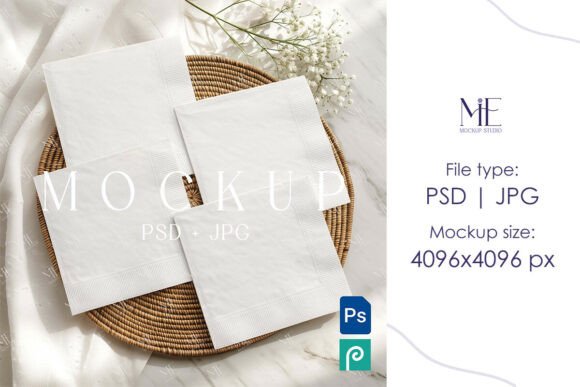
At its core, a Cocktail Napkin PSD is a digital template file, typically created in Adobe Photoshop, that allows users to superimpose their own artwork onto a photorealistic image of a napkin. Unlike a standard photograph of a blank napkin, a mockup contains specialized layers known as Smart Objects. These layers act as windows; when you place your design into them, the software automatically warps, scales, and blends your image to match the folds, curves, and lighting of the underlying paper texture.
The term "PSD" refers to the native file format of Photoshop, which preserves these editable layers. However, the ecosystem has expanded. Today, you can also find Papir Napkins Mock-up PNG files. PNGs are particularly useful for users who prefer platforms like Canva or do not have access to professional editing software. A high-resolution PNG mockup often comes with a transparent background, allowing for easy integration into various digital marketing materials without the need for complex layer masking.
The Shift from Physical Prototyping to Digital Visualization
Historically, if a designer wanted to show a client how a logo would look on a cocktail napkin, they had two expensive and time-consuming options: print a physical prototype or create a manual digital composite from scratch. Printing small batches of custom napkins for proofing purposes is cost-prohibitive and environmentally wasteful. Manual compositing requires advanced skills in lighting and shadow manipulation to look believable.
Modern White Napkin Template Mockups solve this inefficiency. They represent a shift toward sustainable and agile workflows. By using a digital mockup, businesses can test dozens of color variations, patterns, and typography styles in minutes. This agility is crucial in today's fast-paced market where trends—such as the popular Boho Wedding Canva Napkin Display—can emerge and evolve rapidly. Designers can iterate instantly, ensuring the final product is perfect before a single sheet of paper is manufactured.
Why Realism Matters in Digital Presentations
You might wonder why one cannot simply paste a logo onto a plain white square and call it a day. The answer lies in the human brain's ability to detect authenticity. A flat image feels sterile and artificial. In contrast, a high-quality mockup includes subtle details that signal reality:
- Texture: Real paper has grain. A good mockup captures the fibrous nature of paper napkins, making the design feel printed rather than floating.
- Lighting and Shadows: Light interacts with the folds of a folded napkin. Shadows create depth, while highlights define the edges. These elements ground the design in a three-dimensional space.
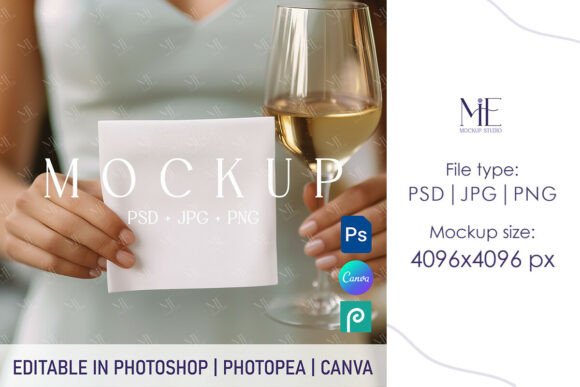
- Context: Many mockups place the napkin in a setting, such as on a wooden table or next to a glass, providing scale and lifestyle context.
When potential customers browse an online store or a designer presents a portfolio, these realistic cues build trust. They assure the viewer that the final physical product will match the expectation set by the image. This is the essence of E-E-A-T (Experience, Expertise, Authoritativeness, and Trustworthiness) in visual content; showing that you understand how your design behaves in the real world.
Technical Specifications: Understanding Resolution and Ratios
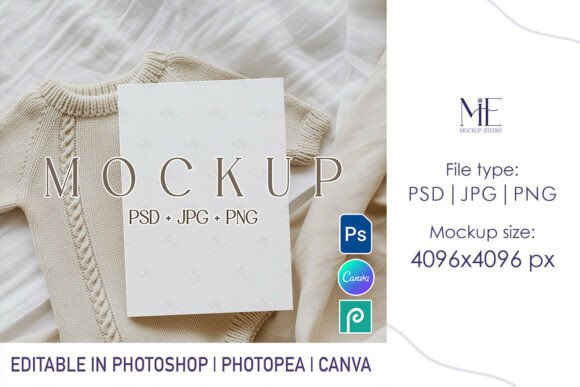
To get the most out of these tools, it is helpful to understand the technical specifications usually provided. High-end mockups, such as those offering a 4096x4096 resolution, ensure that your presentation looks crisp on retina displays and in large-format prints. This level of detail is vital for professional portfolios where pixelation can undermine credibility.
Furthermore, the aspect ratio is a key consideration. Cocktail napkins are traditionally square, often adhering to a 1:1 ratio, typically measuring 5x5 inches when folded. A well-designed mockup respects these dimensions. When preparing your artwork, knowing that you are designing for a square canvas helps you compose your layout effectively, ensuring that no critical elements of your logo or pattern are lost in the folds of the napkin.
How to Utilize Napkin Mockups Effectively
Using these templates is surprisingly straightforward, even for beginners. The process generally follows a logical workflow designed to minimize friction between idea and visualization. Here is how you can transform a static file into a dynamic presentation:
- Purchase and Download: Acquire your digital file. Remember, this is an instant digital download; no physical items are shipped. You receive immediate access to high-quality assets.
- Open the File: Launch the PSD file in Adobe Photoshop. If you are using a PNG version, open it in your preferred editor like Canva or Photopea.
- Locate the Smart Object: In the Layers panel, look for a layer named "Smart Object" or "Your Design Here." It will usually have a small icon in the corner of the thumbnail.
- Insert Your Artwork: Double-click the Smart Object icon. This opens a new tab. Paste or drag your design (logo, pattern, or text) into this window. Ensure your design fits within the safe zones.
- Save and Update: Save the Smart Object file (Ctrl+S or Cmd+S). Return to the main mockup file, and you will watch your design seamlessly integrate, complete with shadows and texture.
- Export: Save the final result as a high-resolution JPG or PNG to share with clients or upload to your website.
This workflow democratizes high-end visual presentation. You do not need to be a photography expert to produce images that look like they were shot in a professional studio. The editable Smart Object layers handle the heavy lifting of perspective and lighting simulation.
Common Misunderstandings and Clarifications
Despite their utility, there are occasional misconceptions about mockup files. A common assumption is that purchasing a mockup grants ownership of the underlying photograph or the right to resell the template itself. This is incorrect. When you buy a Paper Cocktail Napkin PSD, you are purchasing a license to use the template to showcase your designs. The mockup file remains the intellectual property of the creator.
Another point of confusion involves watermarks. Reputable sellers provide files that are clean and ready to use. The preview images you see on marketplace listings often contain watermarks to prevent theft, but the actual downloadable files you receive after purchase will not contain any watermarks or text. This ensures your final presentation is pristine and professional.
The Broader Impact on Creativity and Business
The availability of specialized tools like the Boho Wedding Canva Napkin Display Easy Mockup reflects a larger trend in the creative economy: the lowering of barriers to entry. Small businesses, independent artists, and DIY enthusiasts now have access to the same visualization tools as major corporations. This levels the playing field, allowing unique voices and niche brands to compete based on the quality of their ideas and presentation.
In the context of education, these tools serve as excellent teaching aids. Students learning graphic design can experiment with how different textures affect legibility and brand perception without the cost of physical printing. In the corporate sector, marketing teams can rapidly prototype campaigns for events, ensuring brand consistency across all touchpoints, from invitations to table settings.
Ultimately, the Paper Napkin Mockup is more than just a file; it is a catalyst for creativity. It allows us to visualize the future, refine our concepts, and communicate our vision with clarity and impact. Whether you are designing for a sophisticated corporate gala or a rustic backyard celebration, these digital templates ensure that your work is seen in the best possible light.
By integrating these tools into your workflow, you embrace a modern, efficient, and highly effective approach to design presentation. The result is not just a pretty picture, but a powerful communication tool that drives engagement, builds trust, and brings your creative visions to life.