Elevating Brand Identity with the Minimal Logo Business Card Mockup
In an era where digital interactions often overshadow physical exchanges, the tangible elements of a brand carry more weight than ever before. When a potential client or partner holds a business card, they are not just receiving contact information; they are experiencing a tactile representation of your company's values, quality, and attention to detail. This is where the Minimal Logo Business Card Mockup becomes an indispensable tool for designers, entrepreneurs, and branding professionals. It serves as the bridge between a digital design file and the real-world perception of a brand, allowing creators to visualize how their work will exist in a physical space before a single sheet of paper is printed.
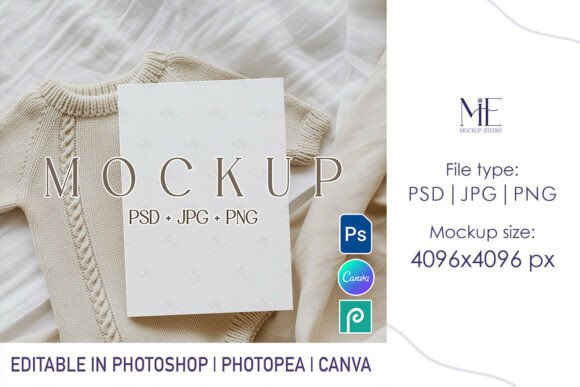
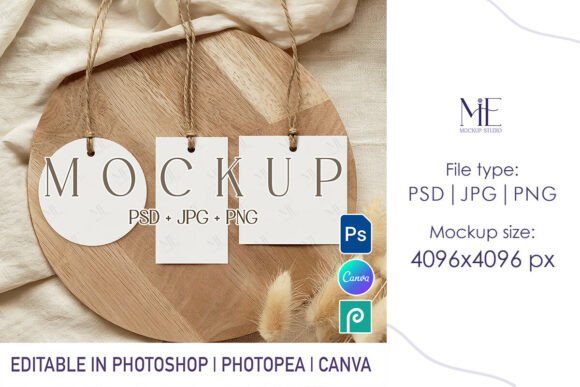
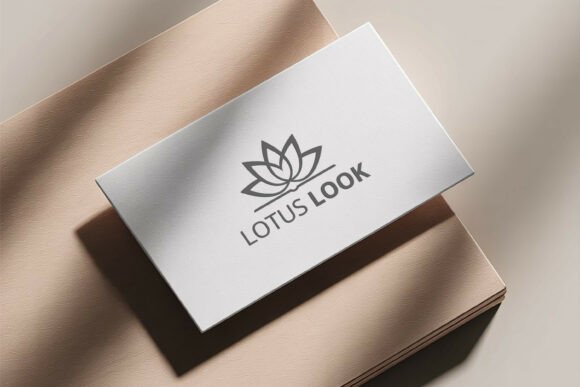
The shift towards minimalism in corporate identity is not merely a fleeting aesthetic trend; it is a response to information overload. Modern consumers and B2B decision-makers are increasingly drawn to clarity, simplicity, and sophistication. A cluttered design can signal confusion, whereas a clean, well-executed minimalist design suggests confidence and mastery. Introducing the Minimal Logo Business Card Mockup, where minimalism and elegance meet sophistication, offers a perfect solution for those seeking to display their corporate identity with an aura of professionalism and modernity. By utilizing a high-resolution, premium PSD mockup, professionals can present an authentic look that highlights embossed logo presentations and realistic design nuances that flat screens often fail to convey.
The Evolution of Brand Presentation in a Digital-First World
Historically, business cards were purely functional. Today, they are strategic marketing assets. The evolution of this medium reflects broader changes in user expectations and market preferences. As remote work and virtual meetings become standard, the occasions where physical cards are exchanged have become more selective and significant. When a card is finally handed over, it must make an immediate, lasting impression. This heightened stakes environment has driven a demand for higher fidelity in design presentation.
Creative practices have adapted accordingly. Designers no longer simply send a JPEG of a logo to a client for approval. They contextualize the design. They show how the logo interacts with light, shadow, and texture. This is why the photorealistic aspect of modern mockups makes the display more inviting and believable. The ability to simulate specific materials, such as the clean detailing and refinement of a kraft paper element, lends an air of premium appeal that generic templates cannot match. This evolution underscores a critical reality: in a saturated market, the presentation of your work is just as important as the work itself.
Furthermore, the technology behind these tools has democratized high-end branding. Previously, creating a lifelike visualization of a textured card required expensive photography setups and professional lighting equipment. Now, with flexible mockup templates and smart object capabilities, high-end professional results are right at your fingertips. This shift allows freelancers and small business owners to compete visually with larger agencies, leveling the playing field through accessible, high-quality digital assets.
Why Texture and Materiality Matter in Minimalist Design
Minimalism is often misunderstood as "empty" or "bare." In reality, effective minimalism relies heavily on the quality of its components. When you strip away excessive colors and complex graphics, the remaining elements—the paper stock, the finish, the typography, and the logo treatment—must be flawless. This is where the specific features of a specialized mockup become vital.
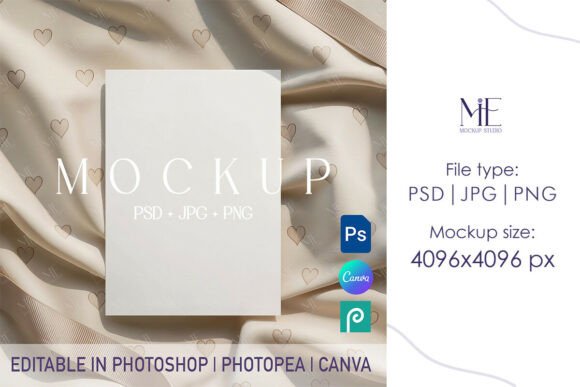
Consider the impact of a neutral background and beige texture. These subtle choices celebrate simplicity without compromising luxury appeal. In a Minimal Logo Business Card Mockup, these textures provide the necessary depth to prevent the design from looking flat or lifeless. The interplay of light on a matte surface versus a glossy emboss creates a visual hierarchy that guides the viewer's eye. For a minimalist at heart, a mockup that exceeds expectations with neutral tones and minimal design is essential for accurately judging the final product.
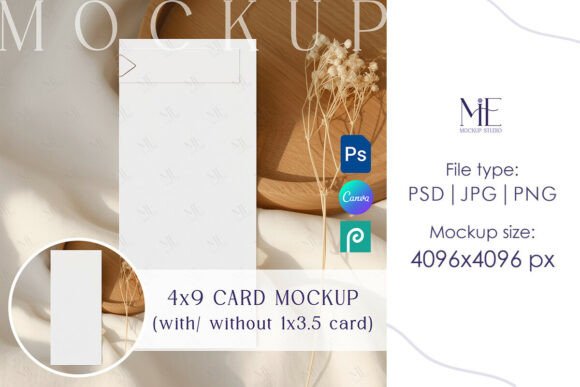
The layered stacking of business cards in a presentation also refines the overall display. It mimics how cards are naturally held or displayed on a desk, adding a layer of realism that static, single-card views lack. This approach helps clients and stakeholders visualize the product in use, fostering a stronger emotional connection to the brand identity. Whether it is for a branding mockup, card presentation, or stationery showcase, celebrating luxury branding with a touch of subtle texture and sophistication can be the deciding factor in winning a project or securing a client.
Practical Applications for Professionals and Creators
The utility of a premium PSD mockup extends far beyond simple aesthetics. It integrates seamlessly into modern workflows, offering practical benefits for various stages of the design and marketing process.
- Client Presentations: When pitching a new identity, showing a design on a screen is good; showing it on a realistic, textured card is compelling. It helps clients overcome the imagination gap, allowing them to see the tangible value of the proposed design.
- Portfolio Development: For designers and agencies, a portfolio is a primary sales tool. Using a unique logo card mockup with elegant business card designs ensures that past work is presented in the best possible light, demonstrating an eye for detail and quality.
- Social Media Marketing: In the age of Instagram and LinkedIn, visual content drives engagement. High-quality mockups of stationery and branding materials perform significantly better than flat digital files, attracting more likes, shares, and inquiries.
- Pre-Print Verification: Before sending files to a printer, using a realistic mockup can help identify potential issues with contrast, legibility, or scale that might not be obvious in a vector file.
The convenience of a smart object mockup cannot be overstated. It allows users to swap out designs instantly while maintaining all the lighting, shadow, and texture effects automatically. This efficiency means that creators can iterate faster, test multiple variations, and deliver final assets with speed and precision. It transforms the mockup from a static image into a dynamic part of the creative workflow.
Aligning with Modern Consumer Expectations
Today's audience is sophisticated. They are accustomed to high-quality visuals in every aspect of their digital lives, from streaming services to e-commerce platforms. Consequently, their expectations for brand materials have risen. A pixelated image or a poorly lit photo of a business card can inadvertently signal a lack of professionalism or care.
By utilizing a tool that offers an authentic look with embossed logo presentation and realistic design, businesses align themselves with these elevated standards. It signals that the brand understands the importance of details. The opulent details found in premium mockups charm viewers not because they are flashy, but because they feel honest and grounded in reality. This authenticity builds trust, which is the cornerstone of any successful business relationship.
Moreover, the trend towards sustainability and conscious consumption influences design choices. The use of kraft paper elements and natural textures in mockups resonates with audiences who value eco-friendly and organic aesthetics. It suggests a brand that is thoughtful about its materials and its environmental footprint, adding another layer of narrative to the visual presentation.
Making the Right Choice for Your Brand
Selecting the right mockup is a strategic decision. It is not just about finding an image that looks nice; it is about finding a template that aligns with your brand's personality and the message you wish to convey. If your brand stands for innovation and sleekness, a clean, white, or neutral-toned mockup with sharp shadows might be ideal. If your brand emphasizes warmth, craftsmanship, and tradition, a mockup featuring beige textures and kraft paper elements would be more appropriate.
When evaluating options, consider the flexibility of the template. Can you easily adjust the lighting? Does it support multiple card orientations? Is the resolution high enough for large-format printing or high-DPI screens? The Minimal Logo Business Card Mockup discussed here offers these capabilities, ensuring that you are prepared to charm your viewers with elegant design regardless of the medium.
Ultimately, the goal is to create a cohesive brand experience. From the digital logo on a website to the physical card in a wallet, every touchpoint should feel connected. A high-quality mockup serves as the proof of concept for this cohesion. It validates the design decisions and provides a clear roadmap for production. For professionals, creators, and business owners, investing time in selecting and utilizing the right mockup resources is an investment in the perceived value of their brand.
As we move forward, the line between digital and physical branding will continue to blur. Tools that help us navigate this intersection with grace and precision will remain essential. By embracing the sophistication of minimalism and leveraging the power of realistic visualization, brands can ensure that their identity is not just seen, but felt and remembered.