Elevate Designs with a Horizontal Invitation Mockup
In the world of graphic design and digital marketing, presentation is everything. You might have spent hours perfecting the typography, selecting the ideal color palette, and balancing the white space for your latest project. However, if you present that design as a flat, two-dimensional file on a stark white background, it often fails to capture the imagination of your client or audience. This is where a Horizontal Invitation Mockup Greeting becomes an indispensable tool. It bridges the gap between a digital concept and a tangible reality, allowing viewers to visualize exactly how the final product will look in the real world.
These mockups are not just decorative overlays; they are functional assets that add depth, texture, and context to your work. Whether you are a freelance designer pitching to a wedding couple, a small business owner launching a new event series, or a hobbyist creating personalized stationery, the ability to showcase your work realistically can significantly impact your success. By utilizing high-quality templates, you transform a simple image into a compelling story about quality and attention to detail.
Why Realism Matters in Digital Portfolios
The primary advantage of using a realistic mockup is the immediate emotional connection it fosters. When a client sees their wedding invitation lying on a textured linen tablecloth or a corporate event card resting on a sleek wooden desk, they stop viewing it as a "file" and start seeing it as a "product." This psychological shift is crucial for conversion. A Horizontal Invitation Mockup Greeting template provides the lighting, shadows, and paper grain that are notoriously difficult to replicate manually in post-production without advanced photography skills.
Furthermore, consistency builds trust. If you are a designer managing multiple projects, using a cohesive set of mockups ensures your portfolio looks professional and organized. It signals to potential clients that you care about the finer details of your presentation. For marketers, these visuals are essential for social media campaigns. An eye-catching, realistic image stops the scroll far more effectively than a flat JPEG, driving higher engagement rates on platforms like Instagram, Pinterest, and LinkedIn.
Versatile Applications Across Industries
While the term "invitation" often conjures images of weddings, the utility of a horizontal greeting card mockup extends far beyond nuptials. The landscape orientation is particularly effective for modern design trends, offering ample space for headlines, intricate illustrations, and detailed event information. Here is how different professionals can adapt this tool for specific goals:
- Wedding and Event Planners: Use the mockup to present save-the-dates, rehearsal dinner invites, and reception menus. The horizontal format is perfect for panoramic venue photos or elegant script typography that spans the width of the card.
- Corporate Branding Specialists: Adapt the template for business holiday cards, gala invitations, or conference welcome packets. A clean, minimalist mockup conveys professionalism and corporate sophistication.
- Etsy Sellers and Stationery Shops: If you sell digital downloads or printable files, showing your product in a realistic setting helps customers understand the scale and finish of the item. It reduces hesitation and answers the unspoken question: "What will this look like when I print it?"
- Educators and Workshop Hosts: Create engaging certificates of completion or workshop invitations. A polished visual makes the event feel more prestigious and worth attending.
Maximizing the Potential of Smart Object Layers
The true power of a premium PSD mockup lies in its Smart Object layers. This feature is what separates amateur composites from professional-grade presentations. Instead of manually warping your design to match the perspective of the card or trying to paint shadows by hand, Smart Objects automate the process while maintaining the integrity of your original artwork.
When you open the PSD file in Photoshop and locate the Smart Object layer, you are essentially stepping into a dedicated workspace. Once you paste your design and save, the software automatically applies the necessary distortion, lighting effects, and texture blending. This ensures that your logo doesn't look like it's floating above the paper but rather printed directly onto it. The result is a seamless integration that respects the physical properties of the paper stock depicted in the scene.
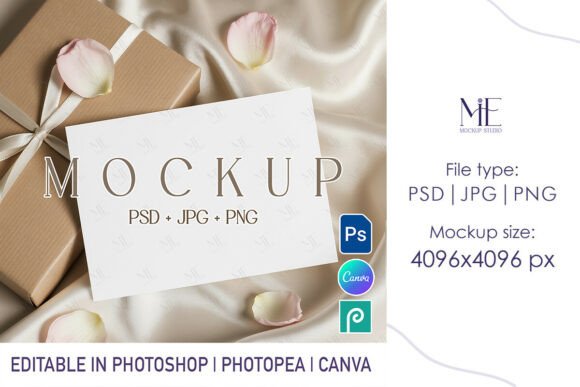
For those who may not have access to Adobe Photoshop, many modern templates now include high-resolution PNG files. These are pre-rendered scenes where you can overlay your design using tools like Canva. While this method offers slightly less control over lighting and texture blending compared to PSD Smart Objects, it provides an accessible alternative for quick turnarounds and users who prefer browser-based editing workflows.
Design Strategies for Horizontal Formats
Working with a horizontal canvas requires a slightly different approach than vertical designs. The eye naturally scans from left to right, which allows for narrative storytelling within a single card. When designing for a Horizontal Invitation Mockup Greeting, consider the following strategies to ensure clarity and impact:
- Balance the Composition: Avoid clustering all text on one side. Use the extra width to create breathing room. Asymmetrical layouts can look dynamic, but they must be balanced with negative space to prevent the design from feeling heavy.
- Leverage Panoramic Imagery: If your design includes photography, the horizontal format is ideal for landscapes, city skylines, or wide group shots. Ensure the resolution is high enough (at least 300 DPI) so it remains crisp when viewed in the 4096x4096 mockup environment.
- Typography Hierarchy: With more horizontal real estate, you can experiment with larger display fonts for headers while keeping body text legible. Just ensure that the contrast between the text and the background remains strong, especially if the mockup scene has complex lighting.
- Contextual Consistency: Match the vibe of your design to the mockup scene. A rustic, kraft-paper style invitation looks best in a warm, natural light setting, while a sleek, foil-stamped luxury invite shines in a high-contrast, studio-light environment.
Streamlining Your Workflow for Efficiency
Time is a valuable resource for creatives. The beauty of instant digital downloads is that they eliminate the need for physical photoshoots. You no longer need to rent a studio, buy props, or worry about camera settings. With a library of diverse mockups at your fingertips, you can iterate through different styles in minutes.
To keep your workflow organized, create a folder structure on your computer dedicated to your mockup assets. Categorize them by style (e.g., Minimalist, Rustic, Corporate) or orientation. When a new project comes in, you can quickly select the appropriate greeting card PSD template and begin working. This systematic approach not only speeds up delivery times but also ensures that you always have a polished asset ready for client approvals or social media scheduling.
Remember, the goal is to let your design speak for itself. The mockup should enhance your work, not overpower it. Choose scenes with neutral backgrounds or soft textures that complement your color scheme. If your invitation features bold colors, a subtle, desaturated background in the mockup will make the design pop. Conversely, if your design is minimal and monochromatic, a mockup with interesting textures like concrete, wood grain, or fabric can add the necessary visual interest.
Final Thoughts on Professional Presentation
In a saturated market, the difference between a good designer and a great one often comes down to presentation. A Horizontal Invitation Mockup Greeting is more than just a file; it is a strategic asset that elevates your brand perception. It demonstrates professionalism, attention to detail, and a deep understanding of how clients perceive value.
Whether you are finalizing a wedding suite, launching a marketing campaign, or building your online portfolio, integrating these realistic templates into your process is a smart move. They provide the polish needed to turn a concept into a convincing reality. By mastering the use of Smart Objects and understanding the nuances of horizontal composition, you empower yourself to deliver work that not only looks good on a screen but feels real in the hands of your audience. Start exploring the possibilities today, and watch how a simple change in presentation can transform the way the world sees your creativity.